
Interculturalism: Embracing All Cultures, Not Just Ethnic Ones

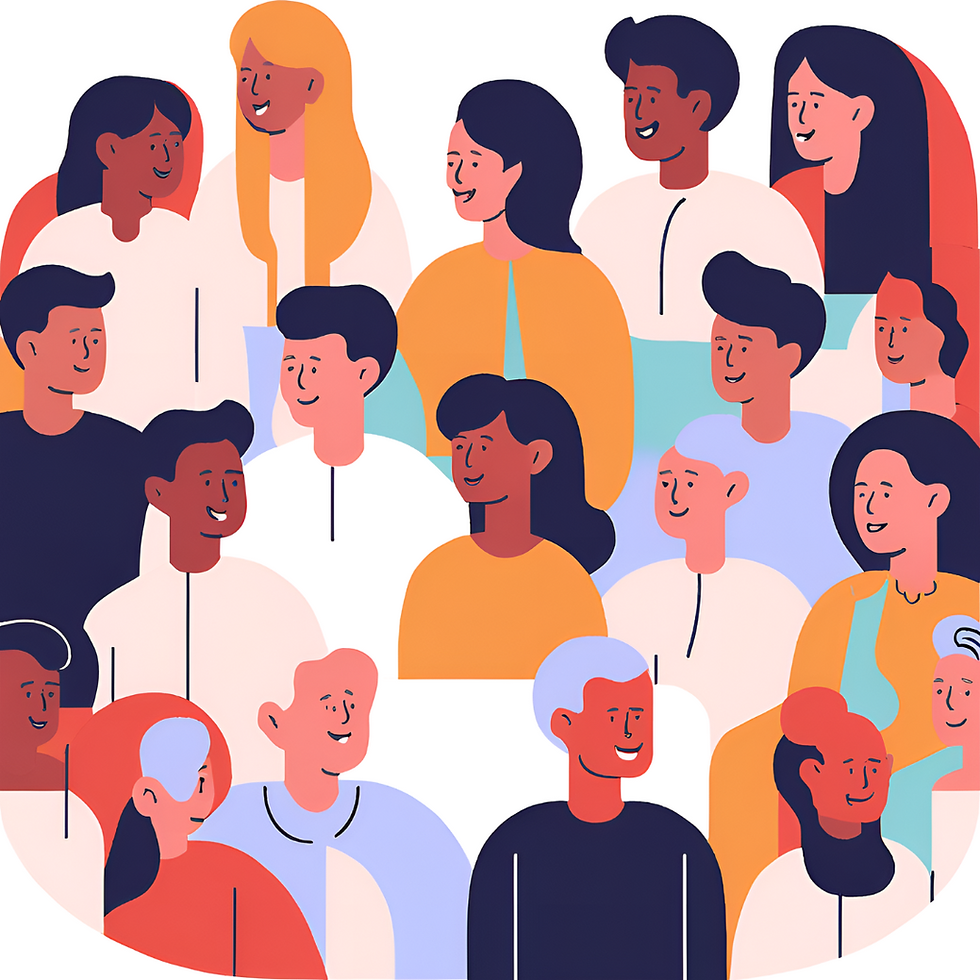
When we talk about interculturalism, it’s important to understand that we’re not just referring to interactions between different ethnic groups. Interculturalism is about all types of cultures—including subcultures like youth culture, queer culture, and other groups with unique ways of living and expressing themselves. In today’s world, where people identify with all kinds of communities, interculturalism helps bring everyone into the conversation and make sure all voices are heard.
At its core, interculturalism is about creating spaces where different cultural groups can come together, share ideas, and work towards common goals. This isn’t just about recognizing differences, but actively engaging with them in a way that allows everyone—whether they’re from a minority ethnic group, part of the LGBTQIA+ community, or represent youth culture—to feel like they belong.
Fethi Mansouri, a leading scholar in this field, points out that interculturalism gives everyone a seat at the table, especially those who have often been left out of the conversation.
For example, youth culture brings new perspectives and challenges that older generations might not fully understand. Queer culture pushes society to rethink issues around gender and sexuality.
These aren’t fringe groups; they’re important parts of the broader cultural landscape, and interculturalism makes sure their contributions are recognised and valued. Interculturalism’s real strength is that it encourages ongoing dialogue across all types of cultural groups, breaking down barriers and building relationships based on mutual respect.
Moving Towards Transculturalism
While interculturalism is crucial for bringing people together, the next step is transculturalism. This idea takes things further, moving beyond dialogue and working toward creating new, shared cultural spaces that blend the best of all worlds. Transculturalism has been described as recognising the fluidity of cultures, where different identities come together to form something new, rather than staying in their own lanes.
But we can’t jump straight to transculturalism without first doing the work of interculturalism. We need to build a solid foundation where all cultural groups—whether ethnic, subcultural, or identity-based—are engaged, respected, and included.
Once that groundwork is in place, we can begin to imagine a future where cultures aren’t just coexisting, but truly blending together to create something bigger and more unified.


Comments